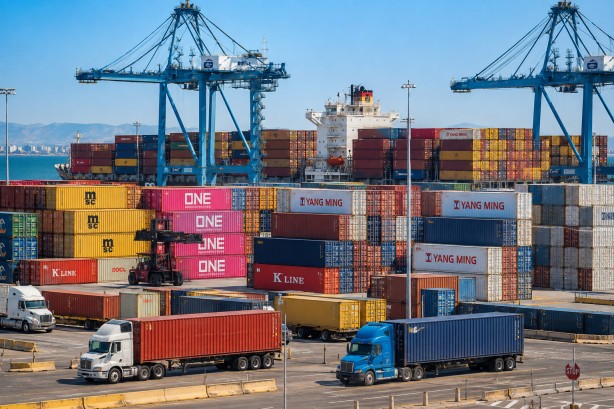
The US government has issued refunds totaling approximately $100 billion for tariffs that were collected under former President Donald Trump’s trade policies, following a Supreme Court ruling that deemed a significant portion of these tariffs unlawful. These refunds account for about 60% of the $165 billion that had been amassed before the court’s decision. The tariffs were initially implemented as part of Trump’s broader strategy to enhance domestic manufacturing, negotiate more favorable trade deals, and boost government revenue.
In compliance with the court’s ruling, the administration has returned the collected duties to the affected companies. Despite these reimbursements, the federal budget deficit continues to expand, reaching $1.37 trillion in the first nine months of the fiscal year. This widening deficit highlights ongoing challenges in balancing the federal budget amid fluctuating trade policies and economic conditions.
In a related development, the Trump administration recently introduced a new set of tariffs ranging from 10% to 12.5% on imports from over 80 countries, including major economies like India, China, the United Kingdom, Canada, Mexico, Australia, and the European Union. These tariffs were justified by concerns over products potentially linked to forced labor, marking a continuation of the administration’s assertive trade measures.
However, these latest tariffs have sparked fresh legal disputes, with a coalition of 25 US states seeking to block them. The states argue that the new measures unlawfully replace tariffs that the Supreme Court had previously invalidated. This ongoing legal battle underscores the contentious nature of tariff policies and their impact on both domestic industries and international trade relations.