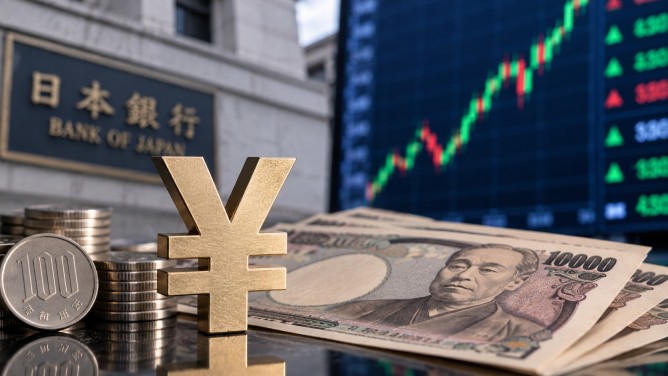
The Japanese yen experienced a significant surge against the US dollar on Thursday, as market speculations grew regarding a potential interest rate hike by the Bank of Japan (BOJ). The yen reached 157.545 per dollar, marking its strongest position in almost a month, following a 0.9% increase from the previous day. The currency also saw gains against the euro and the British pound, fueled by the anticipation of a more stringent monetary policy in Japan rather than direct intervention by Japanese authorities.
This upward movement largely stems from comments made by BOJ board member Hajime Takata, who suggested the central bank should adapt to rising inflationary pressures by considering interest rate hikes without adhering to a predetermined timeline. As a result, markets are now heavily factoring in the likelihood of a BOJ rate increase within the month. For some time, the yen has been under pressure due to Japan’s low interest rates compared to other major economies, along with fiscal challenges and soaring energy costs.
Meanwhile, the broader US dollar saw a slight decline against a basket of currencies as investors awaited the upcoming US nonfarm payrolls report, set to be released on Friday. Analysts predict the report will reveal a modest employment increase following a significant drop in July. This data could play a pivotal role in shaping expectations for the Federal Reserve’s next decision on interest rates.
Currently, market sentiment reflects a 61% probability of a rate hike by the Federal Reserve in September, with investors closely monitoring indicators of persistent inflation and shifts within the US labor market. As these economic factors unfold, the interplay between Japanese and US monetary policies remains a focal point for traders and economists alike. The evolving dynamics highlight the interconnectedness of global financial systems and the impact of domestic policies on international currency movements.