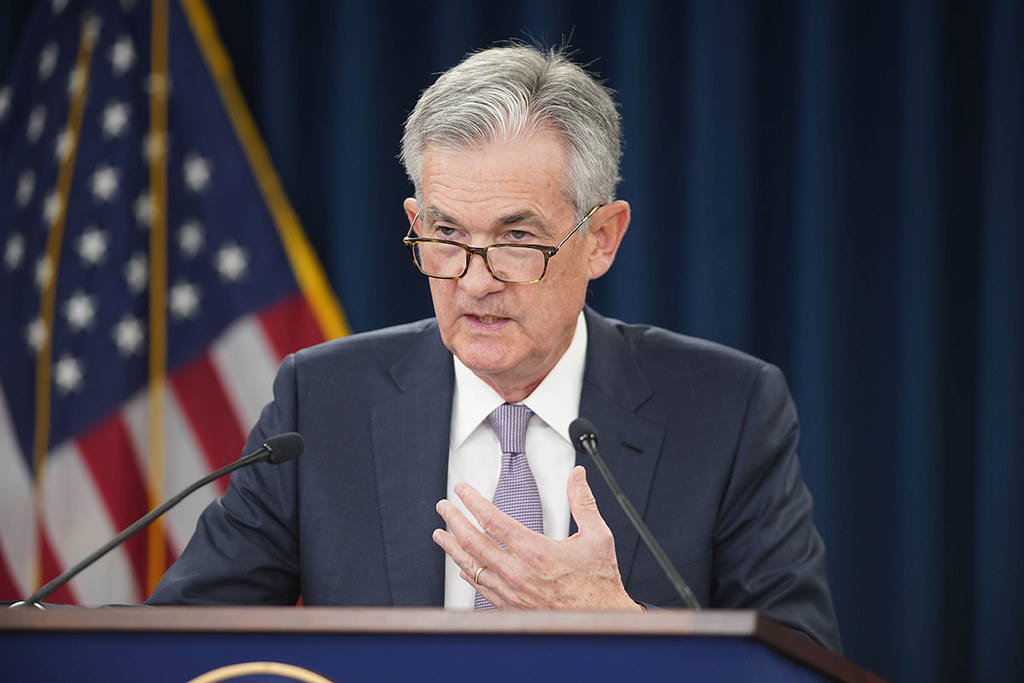
The Federal Reserve’s December meeting exposes a critical vulnerability in America’s economic policymaking infrastructure: the dependence on timely government data. With October’s statistics entirely absent due to the six-week Bureau of Labor Statistics shutdown, officials must make consequential interest rate decisions while operating partially blind.
The data gap isn’t merely inconvenient—it’s unprecedented. Economic policymaking traditionally relies on monthly updates about inflation, employment, wages, and other key indicators. These statistics inform not just the Fed’s decisions but the forecasts and risk assessments that voting members use to form their positions. October’s complete absence means a crucial month of economic evolution remains unknown.
The Fed has reduced rates twice since September with half-point cuts, bringing borrowing costs to 3.75% to 4%. These moves reversed part of the aggressive tightening campaign implemented when inflation peaked at 9.1% in 2022. Determining whether a third cut is appropriate requires understanding current economic conditions—information that’s simply unavailable for the most recent period.
Chair Jerome Powell acknowledged the problem directly, using the fog metaphor to describe how reduced visibility necessitates slower speeds. The available data shows concerning trends: inflation accelerating from 2.3% to 3% between April and September, while unemployment climbed from 4% to 4.4%. However, these figures are now outdated, and November’s statistics will arrive too late to inform Wednesday’s decision.
The situation highlights how political dysfunction—in this case, the government shutdown—can cascade through economic institutions with significant consequences. The Federal Open Market Committee’s 12 members must announce their rate decision Wednesday afternoon despite lacking essential information. This forced decision-making in an information vacuum represents a breakdown in the normal process, with potentially lasting implications for how the Fed approaches policy when data becomes politicized or unreliable. The missing October data may be this year’s most significant legacy for monetary policy.