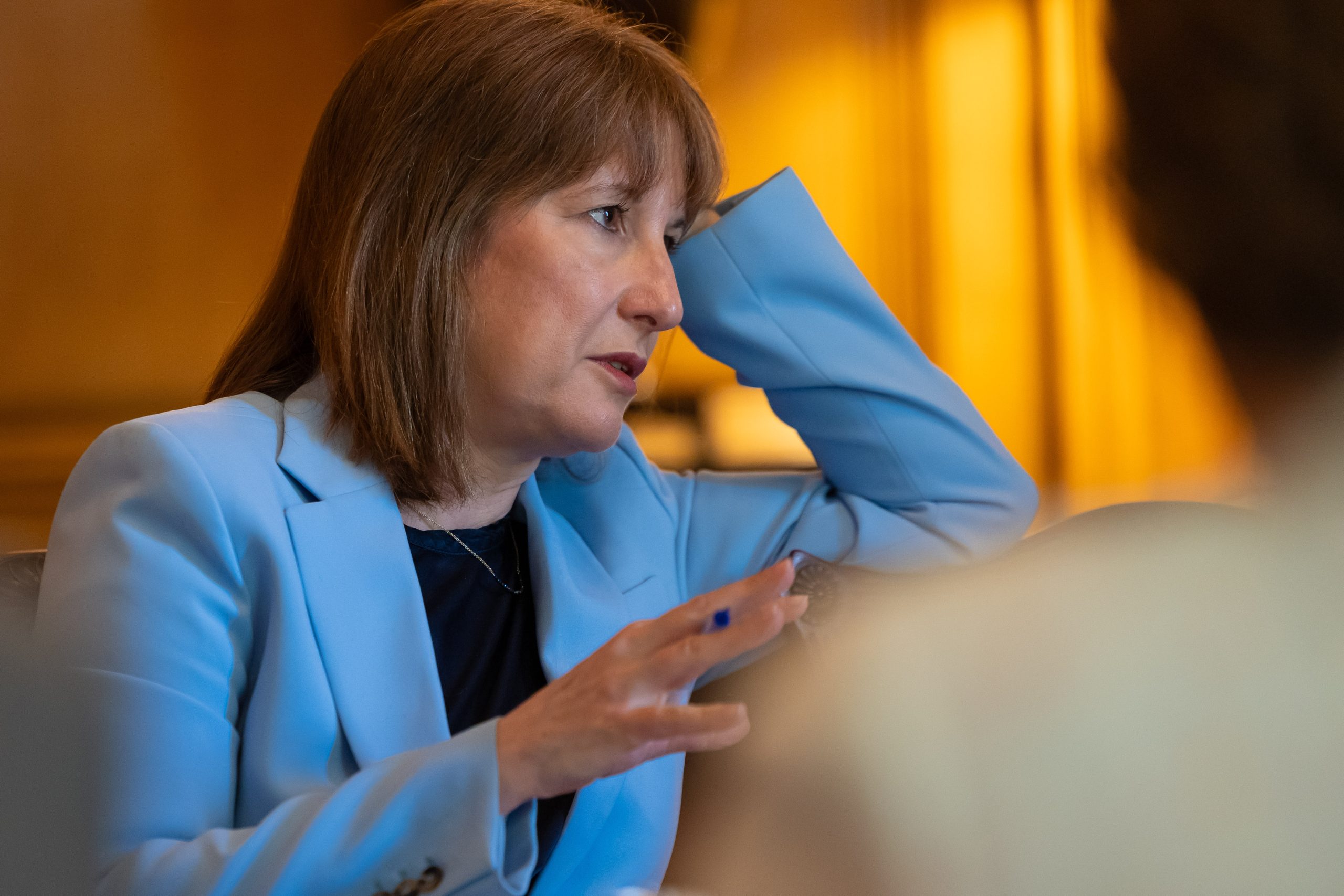
Chancellor Rachel Reeves presented fiscal projections showing government borrowing declining from 4.5% of GDP to 1.9% by 2030-31, even as economic growth forecasts were downgraded and £26 billion in tax increases were announced. The budget presentation occurred against the backdrop of an embarrassing early release by the Office for Budget Responsibility, which accidentally published complete fiscal details an hour before the chancellor’s scheduled Commons address, creating immediate market reactions and political controversy.
The chancellor characterized her budget as establishing sustainable public finances while delivering meaningful benefits to households through inflation reduction and targeted cost-of-living support. Reeves argued that her approach would create a fairer and stronger Britain by addressing inherited fiscal challenges while investing in long-term economic infrastructure. She emphasized that modest contributions from all sectors would enable significant social progress alongside fiscal consolidation.
The removal of the two-child benefit cap represents the budget’s most significant welfare reform, addressing sustained pressure from Labour MPs concerned about poverty levels. This policy change will lift 450,000 children above the poverty line and constitutes the largest single-parliament reduction in child deprivation ever achieved. The measure demonstrates the government’s commitment to social justice despite the need for substantial revenue increases elsewhere in the budget.
Personal taxation forms the core of revenue generation, with a three-year threshold freeze contributing £15 billion as wage inflation pushes workers into higher tax brackets. Supplementary measures include limiting tax relief on pension contributions to £2,000 from 2029, increased gambling duties, new mileage-based charges for electric vehicles, and a high-value property council tax surcharge. These combined actions eliminate a £4 billion fiscal gap and establish £22 billion in headroom against borrowing rules, substantially exceeding the £9.9 billion buffer maintained previously.
Cost-of-living relief features prominently, with energy bills falling by £150 annually through the removal of green levies and continued freezes on rail fares, fuel duty, and prescription charges. These measures should reduce inflation by 0.3 percentage points from its current 3.6% level—the highest in the G7 and significantly above the 2% target. However, economic forecasts present challenges, with 2026 growth projections revised downward from 1.9% to 1.4% due to reduced productivity expectations and elevated borrowing costs, even as the overall fiscal trajectory shows substantial improvement in government borrowing metrics.