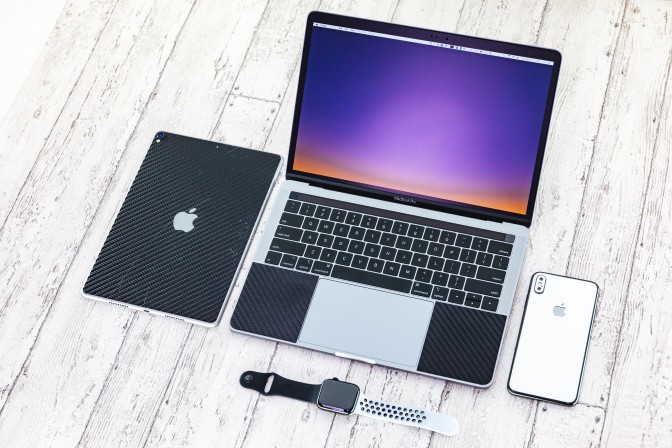
Apple has announced an increase in prices for several of its iPad and MacBook models, attributing the hike to a surge in costs for memory and storage chips. This rise in component expenses is largely driven by the escalating demand for infrastructure supporting artificial intelligence. The tech giant noted that while it has been absorbing these higher costs for some time, it has now become necessary to transfer a portion of the burden to customers.
The price adjustments encompass a range of products, including various MacBook models, iPads, HomePod speakers, and Apple TV devices. Notably, certain configurations of MacBooks, especially those with higher storage capacities, have seen substantial price hikes due to the increased cost of memory chips.
The global expansion of artificial intelligence is causing chip manufacturers to prioritize their supplies for AI data centers and advanced computing systems. This shift in focus has led to a reduced availability of memory components for consumer electronics, thereby elevating production costs across the technology sector.
Apple’s extensive network of suppliers has somewhat mitigated the impact of these rising costs compared to some of its competitors. However, analysts warn that the pressure on device pricing is likely to persist. Concerns are also emerging that future iPhone models might experience similar price increases as manufacturers adjust to the heightened component costs.
The broader technology market is expected to be affected by the climbing cost of memory chips, with smartphone and PC sales potentially experiencing downward pressure. Manufacturers are facing the dual challenge of increased production expenses coupled with weakening consumer demand.